By Aubrey Dean, Director of Youth Athletics, SOVRN Performance Lab
Young athletes can make remarkable progress in a relatively short amount of time. At SOVRN, we've seen kids improve their sprint times, develop better coordination, and become more confident in their abilities within just a few weeks of training.
But those early improvements are only the beginning. Developing speed, strength, and coordination takes repeated practice, just like learning the technical skills of a sport.
That's why I encourage parents to think of strength and conditioning as a regular part of their child's athletic development, rather than something to fit in when there's extra time.
Why Repetition Matters for Young Athletes
Movements like sprinting, jumping, landing, and changing direction might look simple, but they require the body to coordinate multiple muscle groups while maintaining balance and control.
For young athletes who are still developing body awareness, these movements don't always come naturally. Take jumping, for example. A young athlete might have the strength to jump high but struggle to land with control. Or they might be able to run fast in a straight line but have difficulty slowing down and changing direction efficiently.
These are skills that improve with practice. Through repeated exposure to movements, coaching, and feedback, athletes learn how to better coordinate their bodies. They become more aware of their positioning, develop better control, and learn to perform movements more efficiently.
I've seen kids arrive at SOVRN struggling to coordinate their arms and legs during a jump. Within a few weeks of consistent training, many begin moving with noticeably better control.
These improvements aren't necessarily the result of significant increases in muscle strength. Especially in younger athletes, early progress often comes from improvements in coordination and the nervous system's ability to recruit and control muscles.
Progress Kids Can Actually See
One of the benefits of consistent training is the ability to measure improvement over time.
At SOVRN, we use sprint testing to track athletic development. We've seen many young athletes improve their sprint times within just a few weeks, sometimes in as little as two weeks. For kids, seeing a faster time is exciting, and it gives them a concrete example of how practice translates into performance.
And while young athletes naturally enjoy competing with their teammates, learning to compete against their own performance can be just as valuable.
Not every session will produce a personal best. Fatigue, growth, and other factors can influence performance from day to day. Tracking progress over time helps athletes recognize improvement without putting too much emphasis on any single result.
Why Strength and Conditioning Should Be Part of the Routine
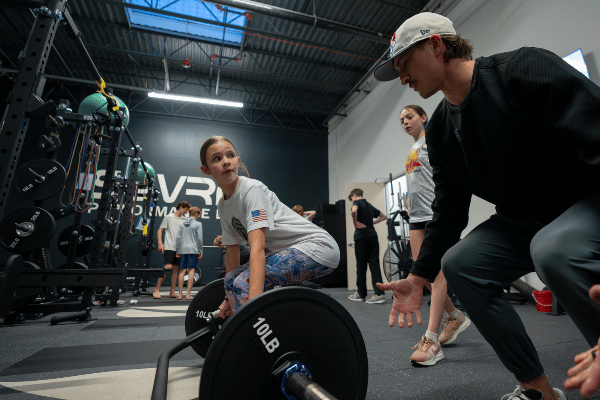
Sport practices are important for developing technical skills and game awareness. But they don't always provide the dedicated time or coaching needed to develop fundamental athletic qualities.
That's where strength and conditioning comes in.
A well-rounded youth training program provides opportunities to work on physical abilities that support performance across sports, including:
- Strength: Developing the muscles and physical capacity needed for sprinting, jumping, and other athletic movements.
- Coordination: Learning to control body positioning during movements like jumping, landing, and changing direction.
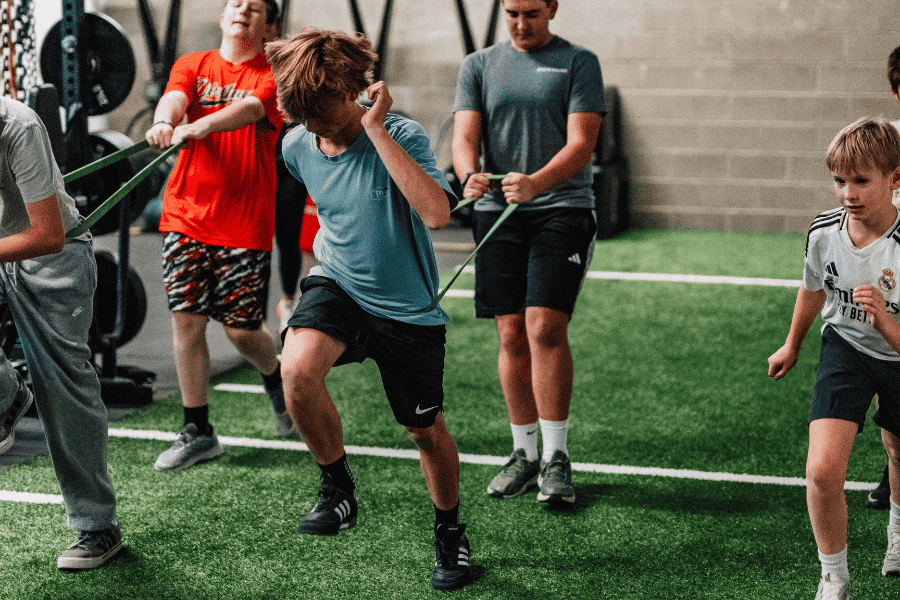
- Speed and agility: Practicing acceleration, deceleration, and the ability to react and move efficiently.
- Movement mechanics: Learning techniques that help athletes manage the physical demands of their sport.
These qualities take time to develop. Training consistently allows athletes to practice them regularly and gradually increase the difficulty as their abilities improve.
Appropriate strength and conditioning can also help reduce injury risk by improving strength, movement control, and an athlete's ability to tolerate physical demands.
Of course, consistency doesn't mean training as often or as hard as possible. Young athletes need adequate recovery, especially when they're balancing training with practices, games, and other activities. The goal is to establish an age-appropriate routine that complements their sport rather than adding unnecessary physical stress.
Building Confidence Through Consistent Effort
One of my favorite parts of coaching young athletes is watching them recognize how much they've improved.
A movement that initially felt awkward becomes more natural. A sprint time gets faster. An exercise that once required constant coaching becomes something they can perform confidently on their own. These experiences help athletes understand that improvement comes from practice and persistence, not just natural ability.
They also learn that progress isn't always immediate. Some skills take longer to develop, and learning to work through those challenges is an important part of growing as an athlete.
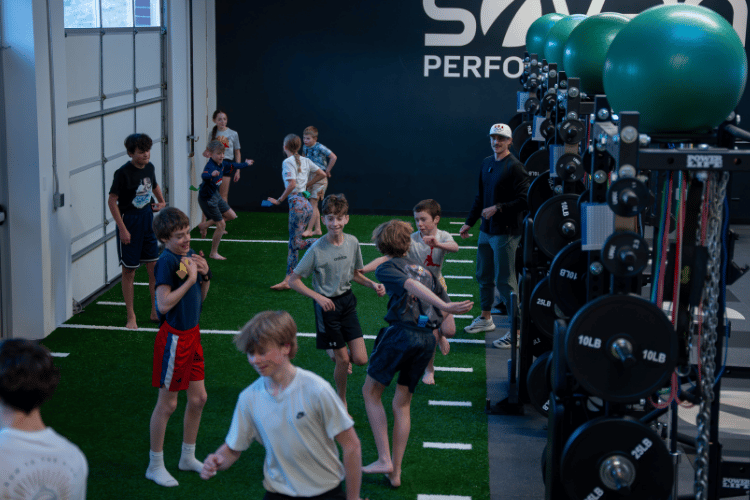
At SOVRN, we want kids to enjoy that process. We incorporate play, friendly competition, and individualized coaching to keep athletes engaged while helping them develop their abilities.
Building a Foundation for Long-Term Development
No single workout will transform a young athlete. Developing the strength, coordination, and movement skills needed for sports takes time and consistent practice. At SOVRN Youth Academy, the goal isn't just to help young athletes perform better in their next game. It's to give them the foundation to continue developing throughout their athletic careers.