By Aubrey Dean, Director of Youth Athletics, SOVRN Performance Lab
Young athletes are constantly changing. They're learning how to move, discovering their strengths, and figuring out what they're capable of.
One of the most rewarding parts of coaching young athletes is how quickly you can see that growth. An athlete might come in struggling to coordinate a movement, and within a few weeks, they're moving with more confidence and control.
But some of the most meaningful changes happen outside of training. The confidence they build through sports can carry into school, friendships, and other parts of their lives.
That's why developing young athletes means looking at the whole person, not just their athletic performance.
Get to Know the Person Behind the Athlete
For young athletes, sports can become a huge part of their identity. How they perform at practice, whether they make a team, or how they play in a game can have a significant impact on how they feel about themselves.
The most impactful coaches I've had throughout my own athletic career were the ones who took the time to get to know me outside of my sport. They understood what motivated me, what else was going on in my life, and how to help me get the most out of training.
That kind of relationship matters, especially on the days when things aren't going well.
Young athletes bring different experiences, emotions, and challenges into each training session. Their mindset, energy, and motivation can vary from day to day, making it important for coaches to adapt their approach to each athlete's needs.
Some kids respond well to competition. Others need encouragement or a little extra time to build confidence. Understanding those differences allows us to create a more effective and supportive training environment.
Make Room for Fun
While structured training plays an important role in a young athlete's development, so does having fun. One of our goals as coaches is to help kids build a positive relationship with movement that extends well beyond their years of competitive sports.
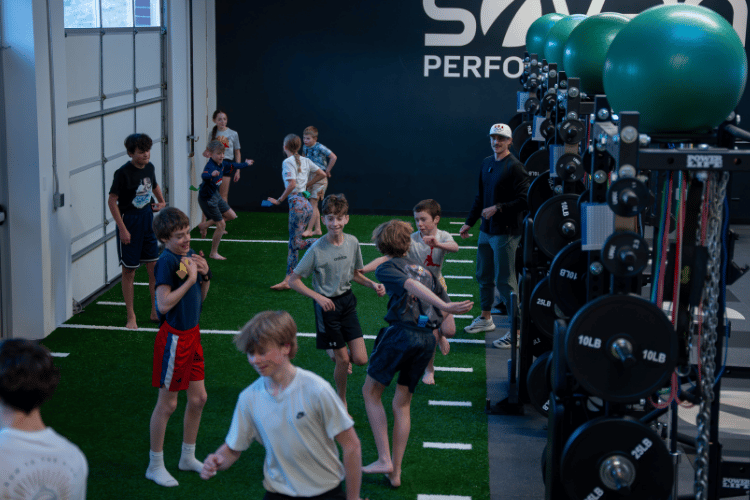
Play is an important part of that process. Games, friendly competition, and creative challenges keep young athletes engaged while developing skills like speed, coordination, reaction time, and agility.
It's especially important to create that balance when kids are already managing busy schedules with school, practices, games, and other commitments. When every physical activity feels like another obligation or performance expectation, it's easy to lose some of the enjoyment that drew them to sports in the first place.
We want our athletes to work hard, challenge themselves, and take pride in their progress. But we also want them to genuinely enjoy being active and develop habits that stay with them for life.
Build Confidence Through Progress
One of the most exciting parts of working with young athletes is watching them accomplish something they couldn't do before.
Sometimes it's a physical milestone, like improving a sprint time or mastering a movement. Other times, it's seeing an athlete become more comfortable trying something new.
These experiences help kids understand the relationship between effort, consistency, and progress. As they see themselves improve, they become more willing to take on new challenges, both in training and beyond.
Our role as coaches is to create an environment where athletes feel supported as they learn, make mistakes, and develop confidence in their abilities.
Individualized Coaching Makes a Difference
Every young athlete develops differently, which is why individualized coaching is central to our approach at SOVRN.
With a maximum coach-to-athlete ratio of approximately 1:8, we're able to give each athlete more individual attention. That means:
- Understanding their sport: Knowing what they play and the physical demands they're preparing for.
- Identifying areas for improvement: Recognizing which skills need more attention.
- Adapting our coaching: Knowing when to challenge an athlete and when they need additional support.
That also means knowing when to challenge an athlete and when they might need additional support. Whether someone is the fastest player on their team or has never lifted a weight before, we want them to feel like they belong and have the opportunity to grow.
Developing Athletes for Life
Youth athletic development is about more than preparing for the next season or improving performance in the next game. It's an opportunity to help kids build confidence, navigate challenges, and develop a positive relationship with physical activity.
At SOVRN Youth Academy, we want athletes to leave training stronger and better prepared for their sport, but also more confident in themselves. Because the impact of a great coach should extend well beyond the field.