


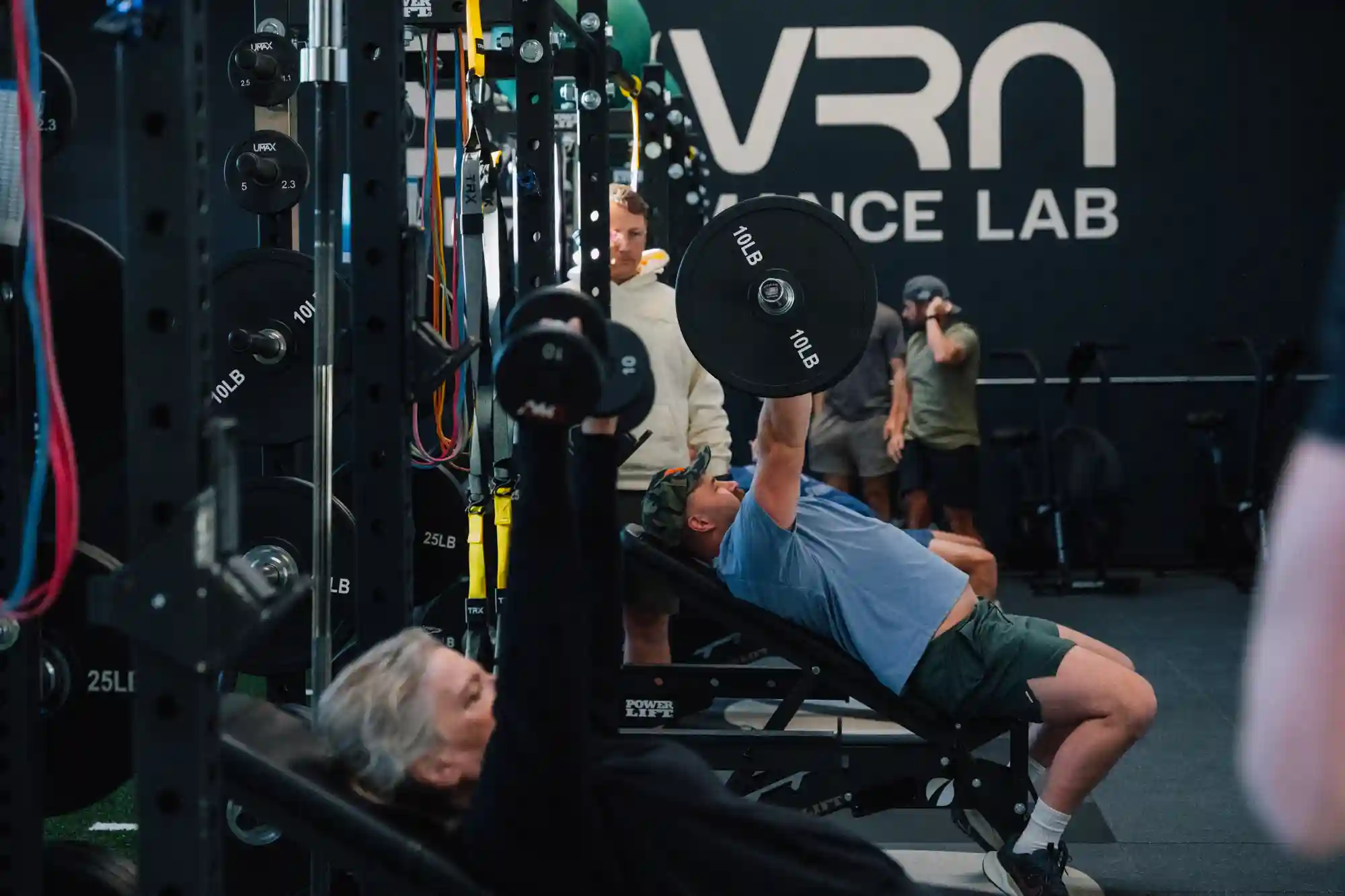
Group training is a great way to provide the motivation and consistency required in a solid fitness routine. The right environment pushes you to work harder, keeps training enjoyable, and gives you the support of a community working toward the same goals.
However, not all group fitness is created equal. A class can leave you sweaty and sore without actually moving you closer to your goals. That’s because real progress doesn’t simply come from working harder. It comes from training with structure and intention.
If you’re looking for a group training class where you’ll keep progression, here are 5 things to look for:
1. A Clear Progression Plan
One of the biggest issues with traditional group fitness classes is that the workouts are random. You show up, work hard for an hour, but without a long-term plan behind the sessions, your body has no reason to continue adapting.
Effective group training should follow a progressive model. Workouts should build over time, gradually increasing challenge and introducing new movements. That way, your body can adapt, recover, and improve. Without progression, it’s only a matter of time before results plateau.
If every class feels like a similar workout without a connection to the last one, it may be hard to build lasting progress.
At SOVRN, group training follows a conjugate model, which means we don’t isolate one fitness quality at a time. Instead, we train multiple qualities (like strength, power, endurance, and movement quality) throughout the same training period.
Each phase of training has a primary focus, so one quality is emphasized more heavily, but the others are still trained in the background. This allows you to improve across multiple areas at once without losing balance or regression in any one skill.
The result is a program that stays varied enough to keep your body adapting, while still structured enough to produce clear, measurable progress over time.
2. Coaching That Prioritizes Form and Individualization
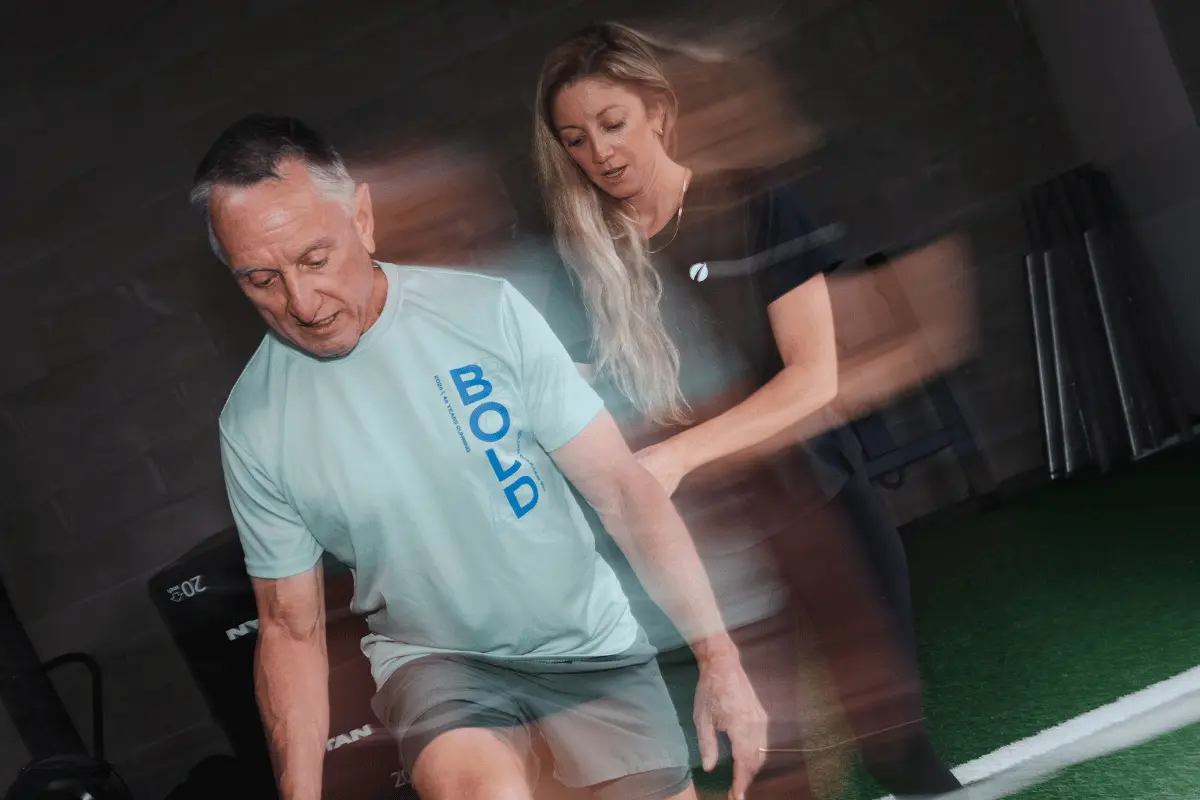
In a great group class, coaching should go beyond simply counting reps and cheering people on. Everybody moves differently, and a quality training program recognizes that. Coaches should be able to provide movement modifications, adjust intensity, and ensure proper form so every participant is training safely and effectively.
Good coaching helps bridge the gap between a group environment and individualized support. Without that, workouts can become a one-size-fits-all experience that overlooks what each person actually needs to progress.
3. Intentional Recovery Built Into the Program
Not all group fitness models are built with long-term progress in mind. Many popular classes prioritize high intensity every single day, pushing members to leave drenched and exhausted after every session. While that approach can feel productive, constantly training at maximum intensity often leads to burnout, increased risk of injury, and stalled progress.
When the body is under stress day after day without enough variation or recovery, it loses the ability to adapt effectively. Instead of building strength and resilience, members often find themselves fatigued, plateaued, or dealing with nagging aches that make consistency harder.
Rather than chasing exhaustion every session, intensity is applied with purpose. Some days are designed to build strength, others improve work capacity, and others reinforce movement quality and recovery. This balance helps develop multiple systems at once without overloading the body in the same way every day. That balance gives the body time to respond and improve.
4. Purpose Behind Every Workout
A workout should do more than leave you tired. Every training session should have a purpose, whether that means building strength, improving movement quality, increasing work capacity, or supporting recovery. When workouts are designed with a goal in mind, each class becomes part of a larger strategy.
Without purpose, workouts can become random bursts of effort that feel productive in the moment but don’t create meaningful long-term results.
The best programs aren’t about doing more. They’re about doing the right things in the right order.
5. A Community That Supports Consistency
Results don’t come from one great workout. They come from consistent effort over time. That’s one of the greatest benefits of group training: community. The right class creates accountability, encouragement, and an environment that makes showing up easier.
When people feel supported, they’re more likely to stay consistent. And consistency is what drives long-term results.
Don’t get us wrong… when done right, group training can be an incredibly effective way to build strength and community. But real results aren’t just about working harder. They come from training with progression, coaching, recovery, and purpose.
When you find a group training program built on those principles, your workouts stop being random and your hard work starts paying off.


.png)


